CCNA Learning Journey
Day 5 : Ethernet LAN Switching Part 1
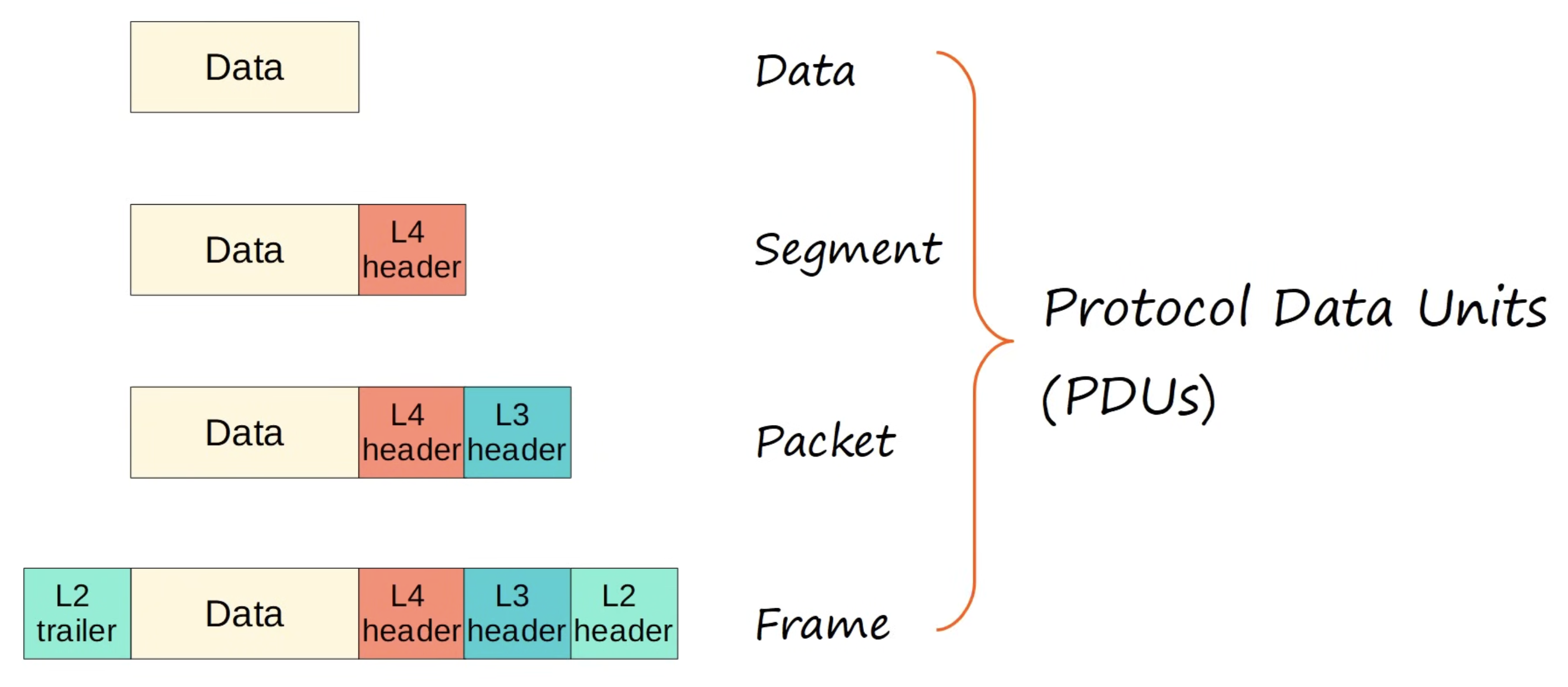
OSI Model - PDUs
Ethernet Frame
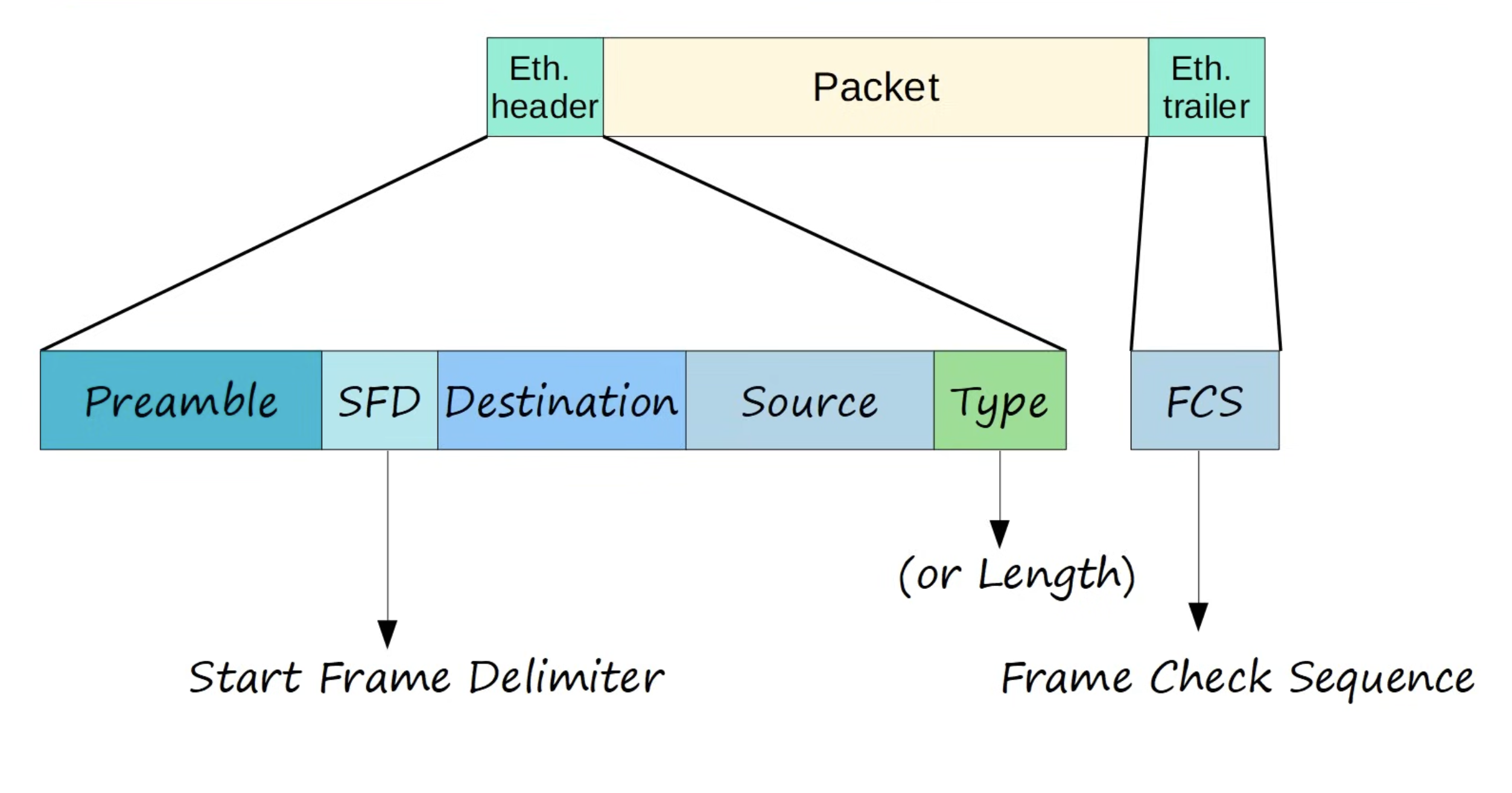
Preamble
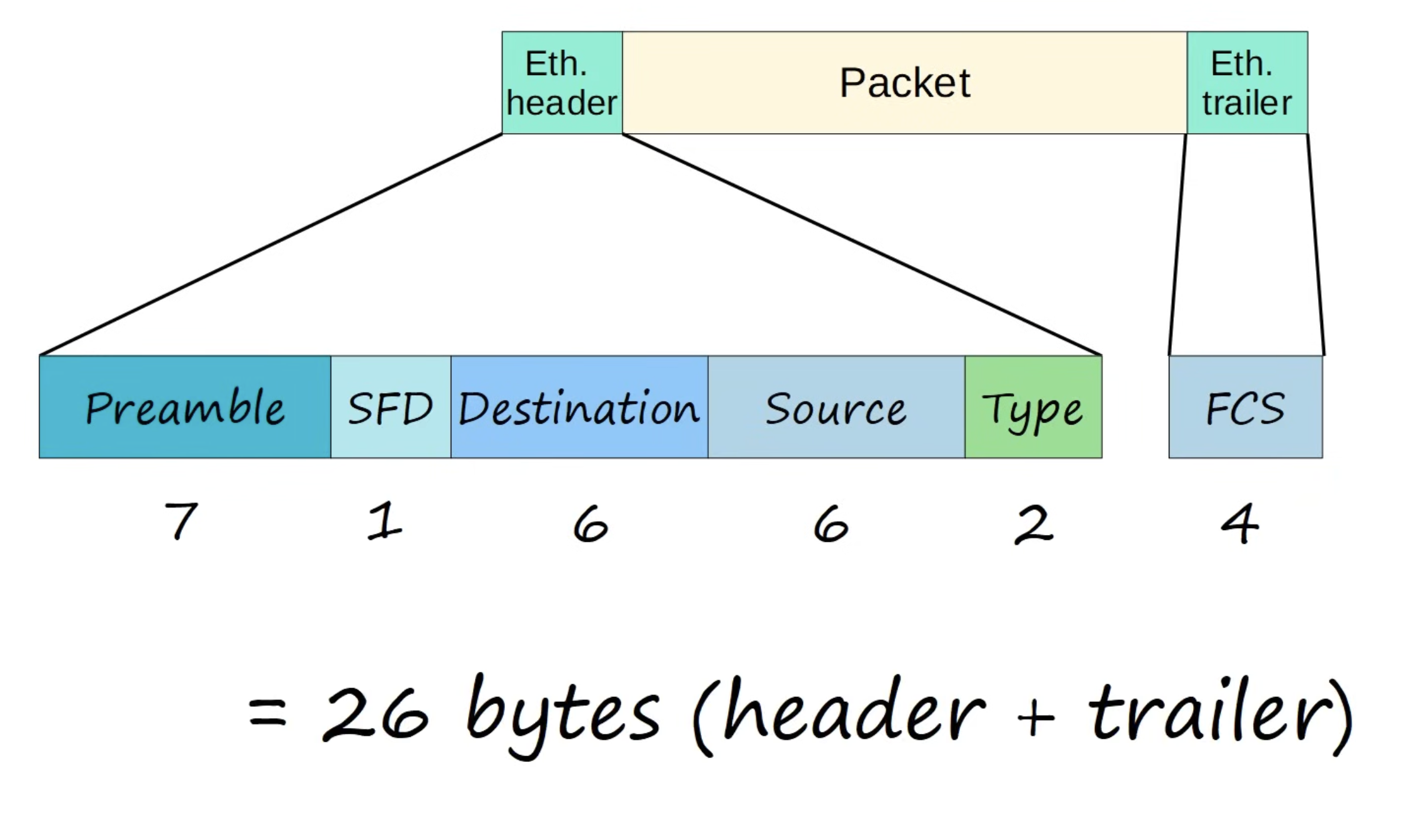
- Length 7 bytes (56 bits)
- Alternating 1’s and 0’s
- 10101010 * 7
- Allows devices to synchronize their receiver clocks
SFD
- Start Frame Delimiter
- Length: 1 byte (8 bits)
- 10101011
- Marks the end of the preamble, and the beginning of the rest of the frame
Destination / Source
- Indicate the devices sending and receiving the frame
- Consist of the destination and source “MAC address”
- MAC = Media Access Control
- 6 byte (48-bit) address of the physical device
Type / Length
- 2 byte (16-bit field)
- A value of 1500 or less in this field indicates the Length of the encapsulated packet (in bytes)
- A value of 1536 or greater in this field indicates the type of the encapsulated packet(usually IPv4 or IPv6), and the length is determined via other methods
IPv4 = 0x0800 (hexadecimal) (2048 in decimal)
IPv6 = 0x86DD (hexadecimal) (34525 in decimal)
Frame Check Sequence
- 4 bytes (32 bits) in length
- Detects corrupted data by running a “CRC” algrithm over the received data
- CRC = “Cyclic Redundancy Check”
Length of frame
MAC Address
- 6 byte (48-bit) physical address assigned to the device when it is made.
- A.K.A “Burned-In Address” (BIA)
- Is globally unique
- The first 3 bytes are the OUI (Organizationally Unique Identifier), which is assigned to the company making the device
- The last 3 bytes are unique to the device itself
- Written as 12 hexadecimal characters